
Food & Beverage Photography Glossary
Everything you need to know before working with a food photographer – from types of shots to photography terms explained.
Types of Shots | Lighting & Styling | Editing & Retouching | Industry Terms
Types of Shots
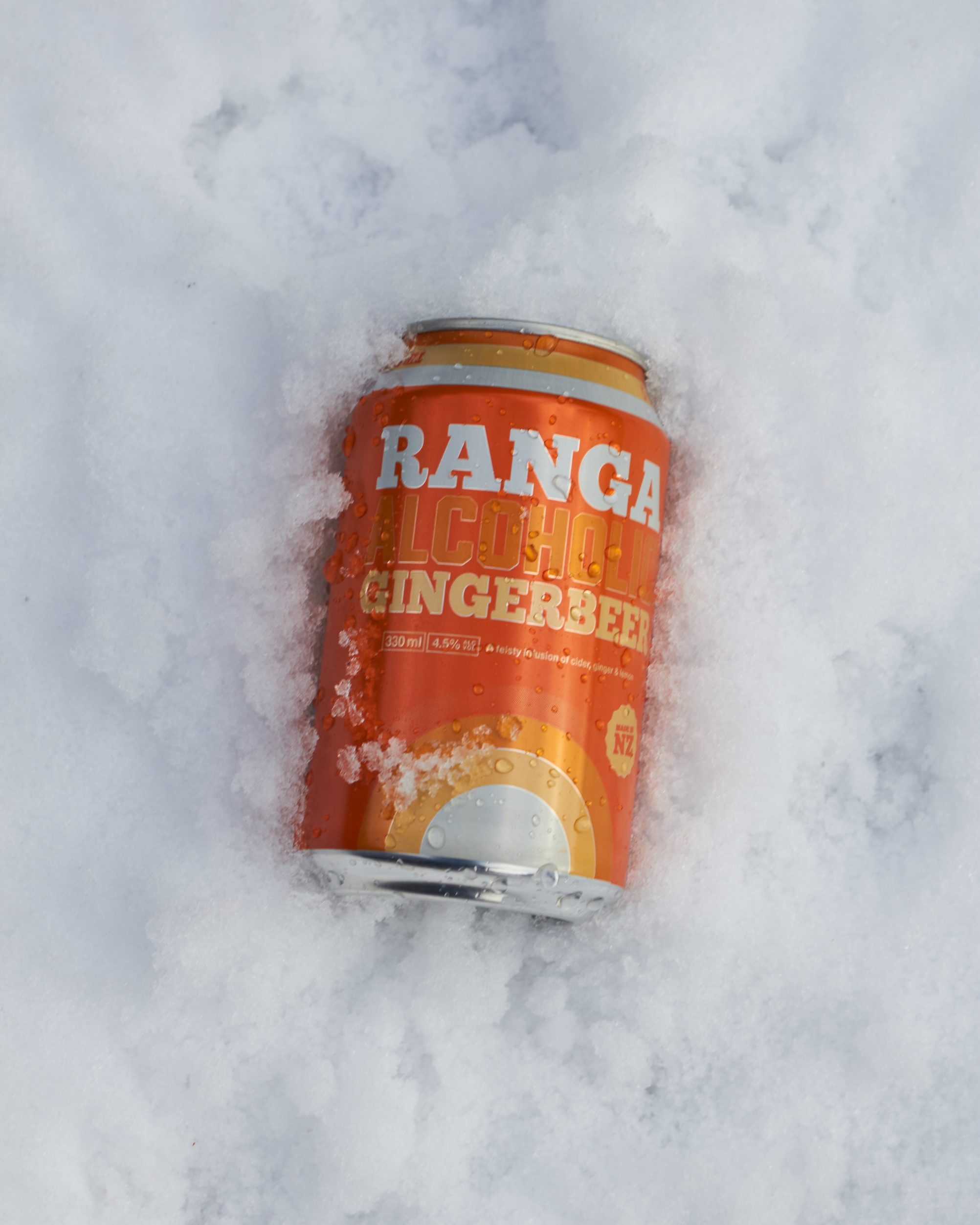
Hero Shot
A hero shot highlights the product as the main focus, often styled with minimal background distractions. Commonly used for product packaging or feature images.
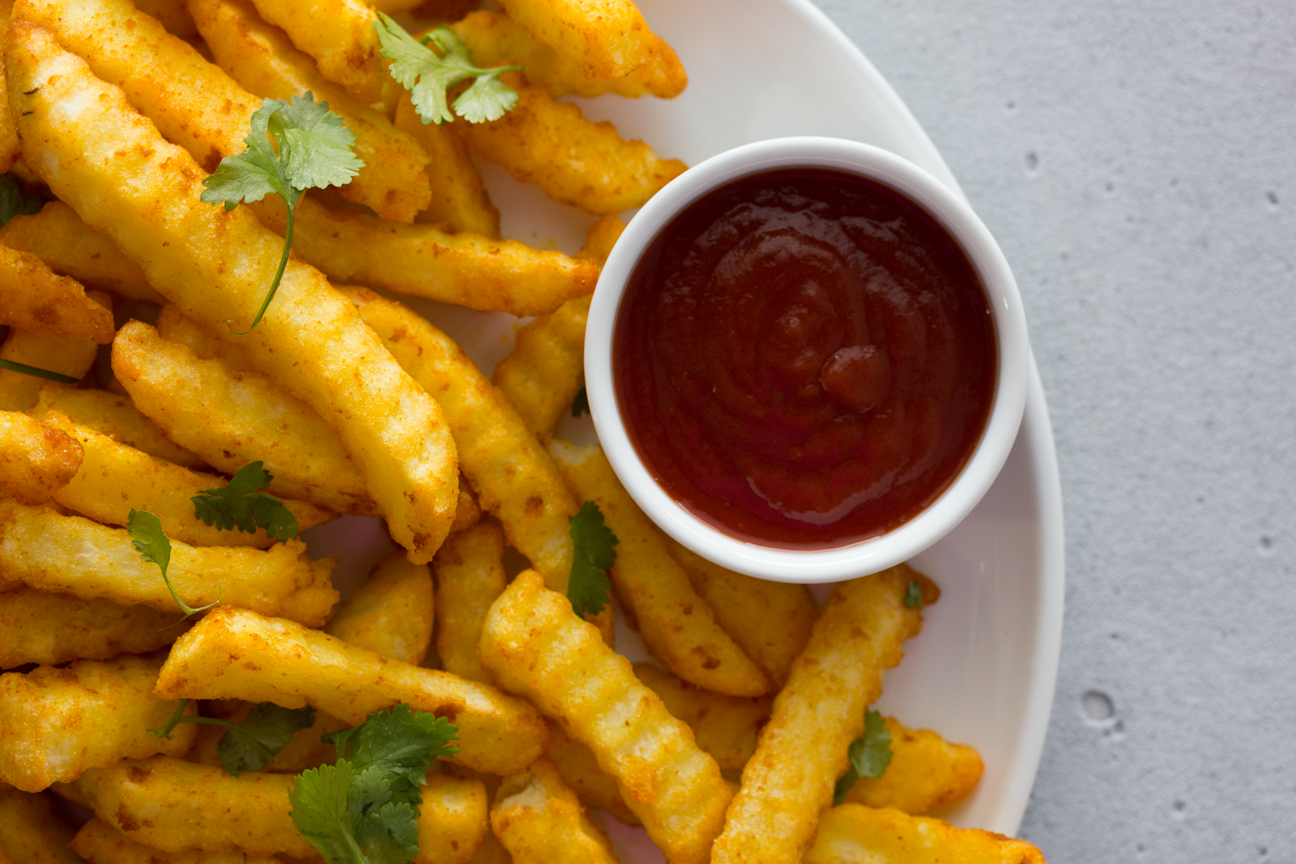
Overhead Shot
An overhead shot is taken directly above the subject, creating a flat-lay effect. Ideal for showing ingredients arranged on a table or styled platters.
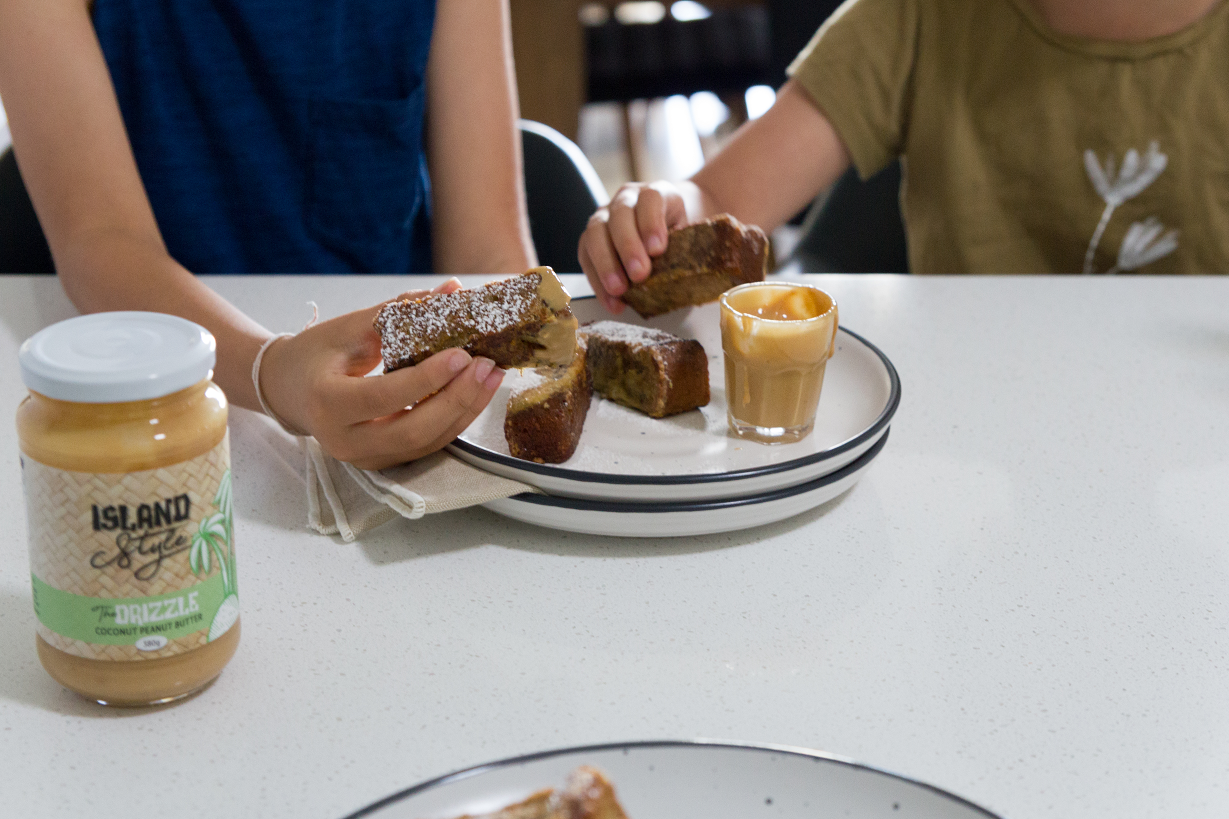
Lifestyle Shot
Lifestyle shots show the product in use or within a real-life setting, helping customers imagine interacting with it. Example: a latte being poured into a branded cup on a café table.
Close-Up Shot
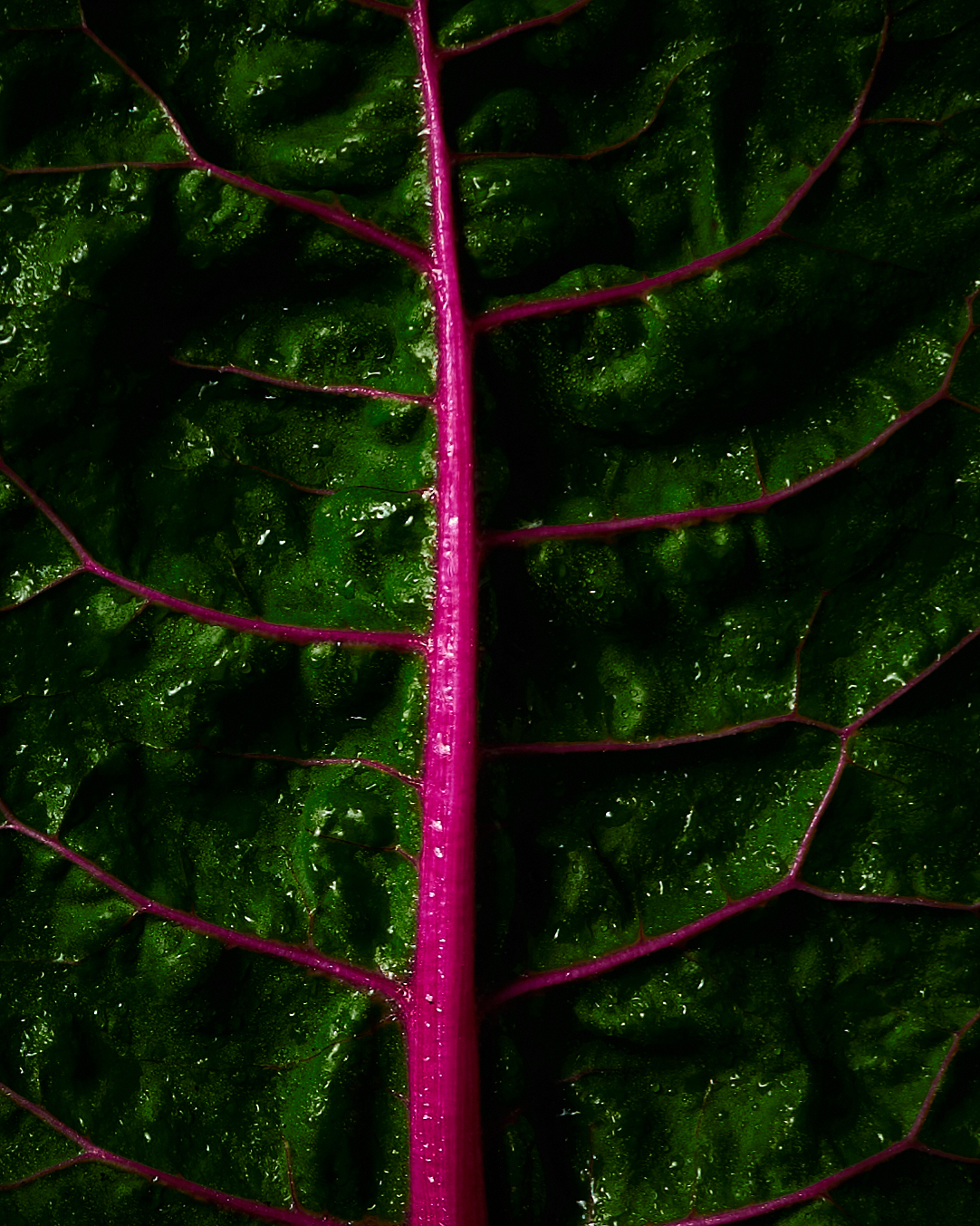
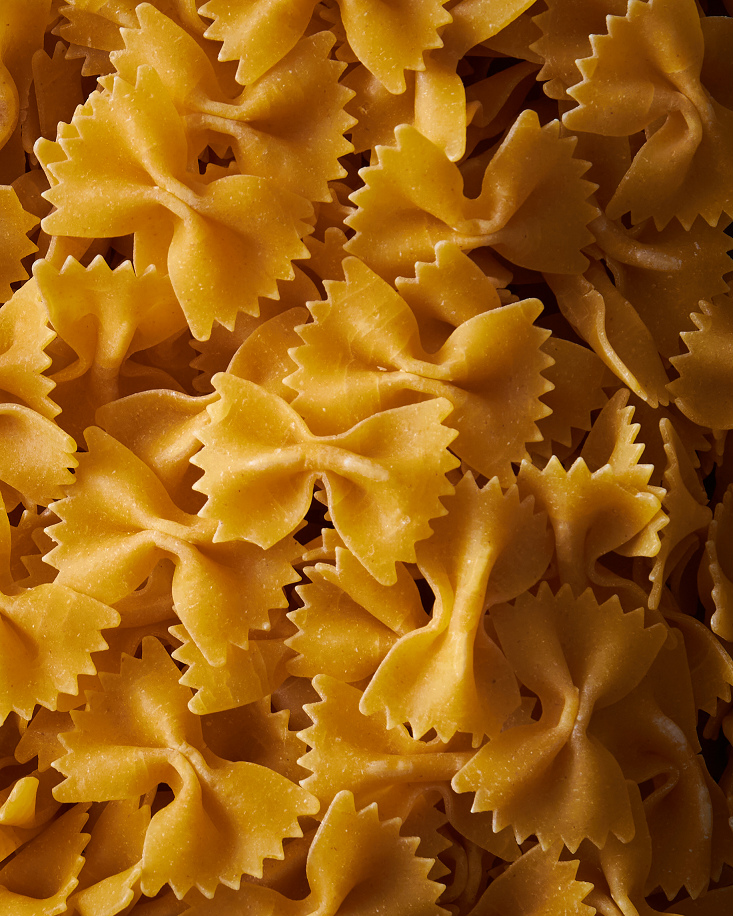
A close-up shot is a photograph taken at a very short distance to capture detail. It’s often used to highlight textures, ingredients, or product details in food photography. See also Macro Shot.
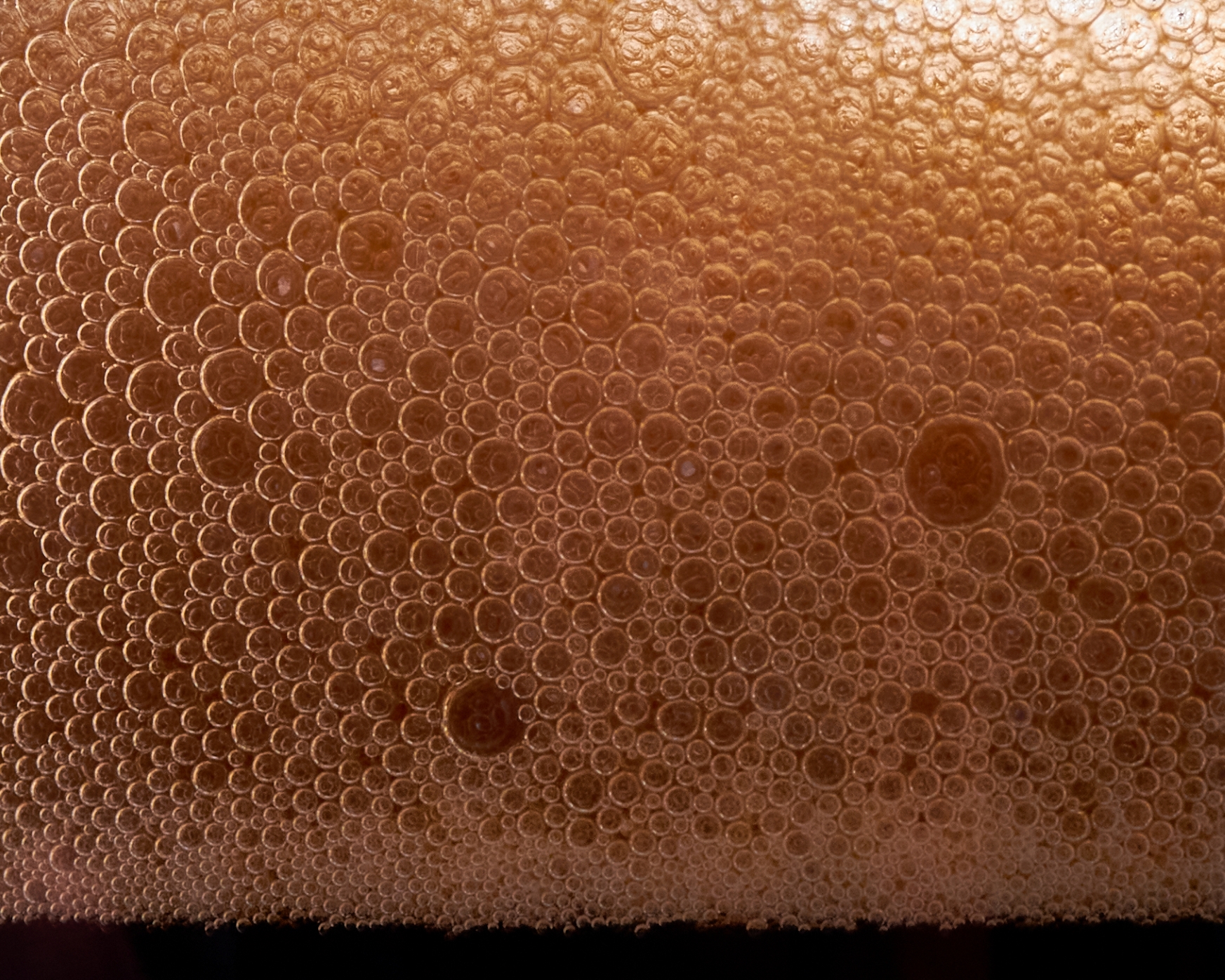
Macro Shot
Macro photography captures extreme close-up detail of a product, emphasizing texture or intricate features. Perfect for spices, honey textures, or fine decorative elements on cakes. Related: Close-Up Shot.
Action Shot
An action shot captures motion, like pouring syrup over pancakes or sprinkling spices, to bring energy and life to the image.

Lighting & Styling
Side Lighting
Side lighting casts shadows and adds dimension, perfect for emphasizing textures in bread, chocolate, or pastries.
Backlighting
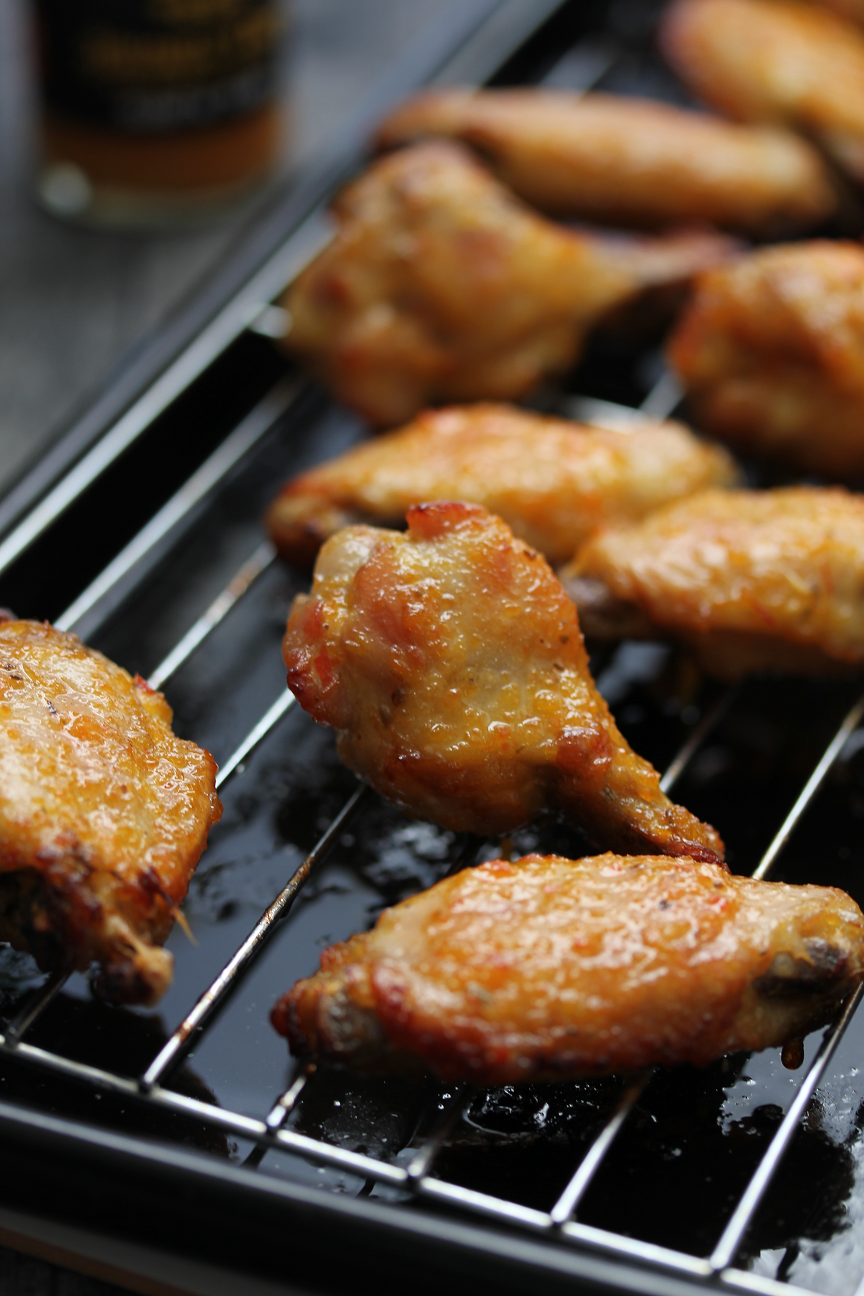
Backlighting positions the light behind the subject to create depth and highlight translucency, like in a glass of juice or a glazed dessert.
Natural Light
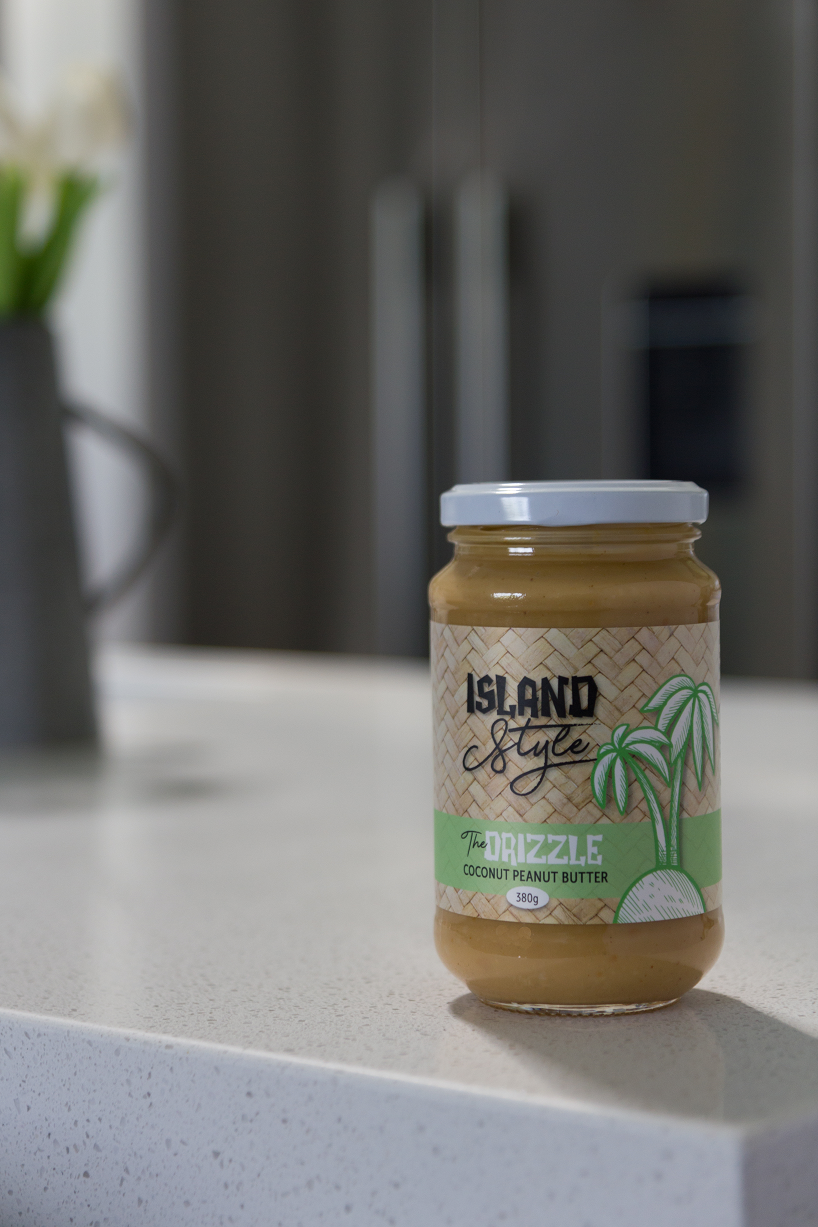
Natural light photography uses sunlight as the primary light source, creating soft, even tones.
Reflector
A reflector bounces light onto the subject, reducing harsh shadows and balancing exposure in product shots.
Diffuser
A diffuser softens harsh light, making highlights less intense and shadows smoother. Essential for maintaining appetizing tones in food images.
Editing & Retouching
Colour Grading
Color grading adjusts tones and colors to achieve a consistent style or mood, helping product photos match a brand aesthetic.
Retouching
Retouching involves cleaning up small imperfections in a photo, like crumbs or dust, and enhancing textures to make products look their best.
Cropping
Cropping removes unnecessary elements from an image and focuses attention on the product, improving composition and visual impact.
Industry Terms
Blah
blahblahblah blah blah